






A heart attack is a life-changing event that requires long-term medical attention and lifestyle adjustments. Proper cardiology care after a heart attack is essential to support recovery, prevent complications, and reduce the risk of future cardiac events. This article explains the key aspects of post-heart attack cardiology care and why continuous follow-up is crucial for long-term heart health.
Understanding Recovery After a Heart Attack
After a heart attack, part of the heart muscle may be damaged due to reduced blood supply. Cardiology care focuses on helping the heart heal, improving its function, and preventing further damage.
Goals of Post-Heart Attack Cardiology Care
- Stabilize heart function
- Prevent another heart attack
- Improve quality of life
- Reduce long-term complications
Immediate Cardiology Care After Hospital Discharge
The period immediately after leaving the hospital is critical for recovery.
Close Medical Monitoring
Cardiologists closely monitor:

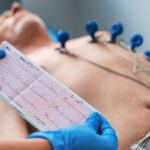

- Heart rate and rhythm
- Blood pressure levels
- Healing progress of heart tissue
Regular follow-up visits ensure that recovery is progressing safely.
Medication Management
Patients are usually prescribed medications such as:
- Antiplatelet drugs to prevent blood clots
- Cholesterol-lowering medications
- Blood pressure control medicines
- Drugs to support heart function
Strict adherence to prescribed medications is essential to prevent complications.
Cardiac Rehabilitation Program
Cardiac rehabilitation is a structured program supervised by cardiology professionals.
Components of Cardiac Rehabilitation
- Medically supervised exercise programs
- Heart-healthy nutrition guidance
- Stress management techniques
- Education about heart disease
Benefits of Cardiac Rehabilitation
- Improves heart strength and endurance
- Reduces risk of future heart attacks
- Enhances emotional and mental well-being
Lifestyle Changes Recommended by Cardiologists
Lifestyle modification is a cornerstone of cardiology care after a heart attack.
Heart-Healthy Diet
Cardiologists recommend:
- Reducing saturated and trans fats
- Eating more fruits, vegetables, and whole grains
- Limiting salt and sugar intake
- Choosing lean proteins
Physical Activity and Exercise
Gradual and controlled exercise helps strengthen the heart. Cardiologists usually advise:
- Light activity during early recovery
- Progressive increase in exercise intensity
- Avoiding overexertion
Smoking and Alcohol Control
- Smoking cessation is mandatory for heart recovery
- Alcohol intake should be limited or avoided
Managing Risk Factors After a Heart Attack
Long-term cardiology care focuses on controlling risk factors that may lead to another heart attack.
Blood Pressure Control
Maintaining healthy blood pressure reduces strain on the heart and lowers the risk of future events.
Cholesterol Management
Cardiologists regularly monitor cholesterol levels and adjust treatment to prevent artery blockage.
Diabetes Management
Proper blood sugar control is essential, as diabetes increases the risk of recurrent heart attacks.
Monitoring Heart Function and Follow-Up Tests
Regular testing is a key part of cardiology care after a heart attack.
Common Follow-Up Tests
- Electrocardiogram (ECG)
- Echocardiogram
- Stress testing
- Blood tests
These tests help cardiologists assess heart recovery and adjust treatment plans when necessary.
Emotional and Mental Health Support
A heart attack can cause emotional stress, anxiety, or depression.
Importance of Mental Health in Cardiology Care
- Emotional stress can negatively impact heart recovery
- Counseling and support groups improve mental well-being
- Stress reduction supports better heart outcomes
Cardiologists often encourage patients to seek psychological support as part of comprehensive care.
Preventing Another Heart Attack
Preventing recurrence is a primary goal of cardiology care.
Preventive Strategies
- Long-term medication adherence
- Healthy lifestyle habits
- Regular heart checkups
- Early reporting of new symptoms
Patients are also educated about warning signs such as chest pain, breathlessness, or extreme fatigue.
Role of Patient Education in Recovery
Education empowers patients to take control of their heart health.
What Patients Learn
- How to recognize warning signs
- Importance of follow-up appointments
- Safe levels of physical activity
- Long-term heart care strategies
Well-informed patients are more likely to maintain healthy behaviors and prevent complications.
Conclusion
Cardiology care after a heart attack is a comprehensive, long-term process that focuses on recovery, prevention, and improved quality of life. Through medication management, cardiac rehabilitation, lifestyle changes, risk factor control, and regular follow-ups, cardiologists help patients strengthen their hearts and reduce the risk of future heart attacks. Consistent medical care and patient commitment are essential for achieving lasting heart health after a cardiac event.