





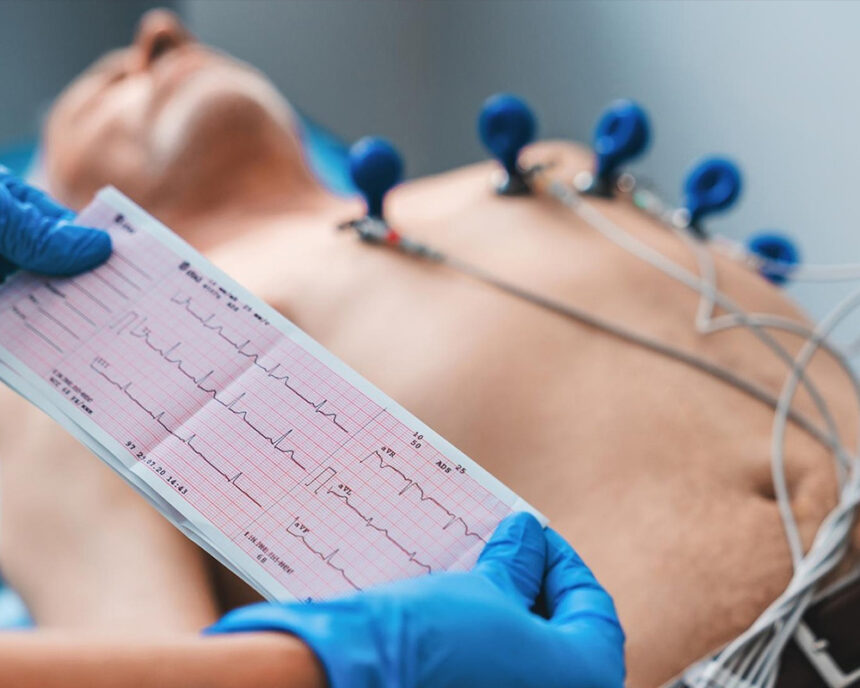
Cardiology tests play a crucial role in diagnosing heart conditions, monitoring heart health, and preventing serious complications such as heart attacks and heart failure. Among the most commonly used cardiology tests are the Electrocardiogram (ECG), Echocardiogram (Echo), and Stress Test. Each test provides different information about the heart’s function and structure. This article explains these tests in detail, including their purpose, procedure, and benefits.
Importance of Cardiology Tests
Heart diseases often develop without obvious symptoms. Cardiology tests help doctors:
- Detect heart problems early
- Identify causes of chest pain, breathlessness, or palpitations
- Monitor existing heart conditions
- Assess the risk of future heart problems
Timely testing allows early treatment and better long-term heart health.
Electrocardiogram (ECG)
What Is an ECG?
An electrocardiogram (ECG) is a simple, painless test that records the electrical activity of the heart. Each heartbeat is controlled by electrical impulses, and an ECG displays how these signals travel through the heart.



How an ECG Is Performed
- Small electrodes are attached to the chest, arms, and legs
- The patient lies still during the test
- The test usually takes a few minutes
What an ECG Can Detect
- Irregular heart rhythms (arrhythmias)
- Signs of a past or ongoing heart attack
- Abnormally fast or slow heart rate
- Electrical conduction problems
When an ECG Is Recommended
- Chest pain or discomfort
- Dizziness or fainting
- Palpitations
- Routine heart checkups
Echocardiogram (Echo)
What Is an Echocardiogram?
An echocardiogram is an ultrasound test that creates moving images of the heart. It helps doctors see the heart’s chambers, valves, and blood flow in real time.
How an Echo Is Performed
- A special gel is applied to the chest
- A handheld device is moved over the chest
- Sound waves create images of the heart
What an Echo Can Detect
- Heart size and shape
- Pumping strength of the heart
- Heart valve problems
- Fluid around the heart
- Blood clots inside the heart
Types of Echocardiograms
- Transthoracic echocardiogram (standard echo)
- Stress echocardiogram
- Transesophageal echocardiogram
Stress Test
What Is a Stress Test?
A stress test measures how the heart works during physical activity. Exercise increases the heart’s workload, making certain heart problems easier to detect.
How a Stress Test Is Performed
- The patient walks on a treadmill or pedals a stationary bike
- Heart rate, blood pressure, and ECG are monitored
- Exercise intensity increases gradually
If a patient cannot exercise, medications may be used to mimic physical stress.
What a Stress Test Can Detect
- Reduced blood flow to the heart
- Coronary artery disease
- Exercise-induced abnormal heart rhythms
- Safe exercise limits for heart patients
When a Stress Test Is Recommended
- Chest pain during physical activity
- Shortness of breath on exertion
- Evaluation after a heart attack or heart surgery
- Assessment before starting an exercise program
Comparison of ECG, Echo, and Stress Test
Purpose of Each Test
- ECG evaluates heart rhythm and electrical activity
- Echo examines heart structure and pumping ability
- Stress Test checks heart performance during physical exertion
Safety and Comfort
All three tests are non-invasive and generally safe. A stress test may cause temporary fatigue, but it is closely monitored by medical professionals.
Preparing for Cardiology Tests
General Preparation Guidelines
- Wear comfortable clothing for stress tests
- Avoid heavy meals before testing
- Inform your doctor about medications
- Follow specific instructions provided by your healthcare provider
Proper preparation ensures accurate and reliable test results.
Understanding the Results
Cardiology test results help doctors:
- Confirm or rule out heart disease
- Decide if further testing is needed
- Create or adjust treatment plans
- Monitor recovery or disease progression
Abnormal results do not always mean serious illness but indicate the need for further evaluation.
Conclusion
ECG, echocardiogram, and stress tests are essential diagnostic tools in cardiology. Each test provides unique insights into the heart’s electrical activity, structure, and performance under stress. Together, they help doctors detect heart conditions early, guide effective treatment, and reduce the risk of serious cardiac complications. Regular heart testing, when recommended, is an important step toward maintaining long-term heart health.