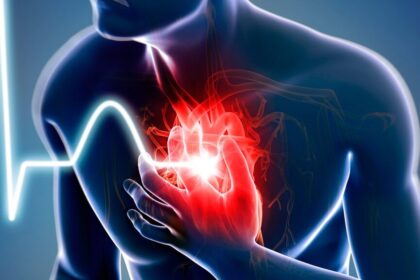





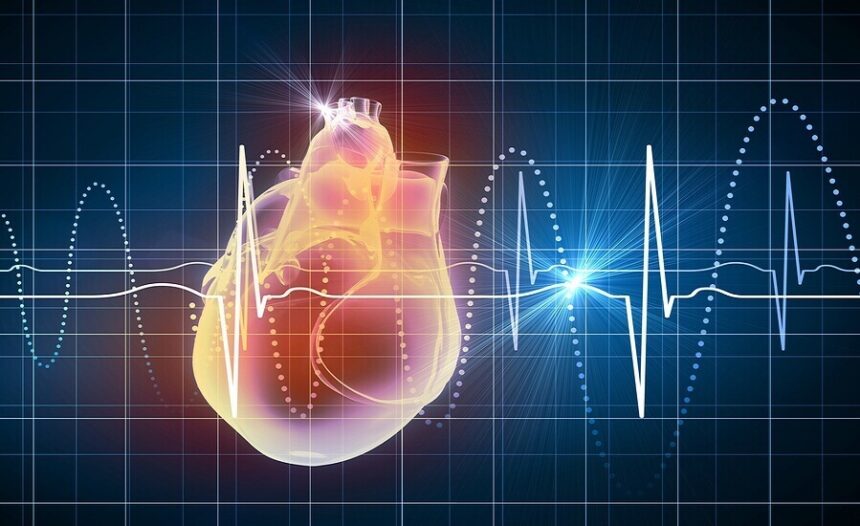
Heart rhythm disorders, also known as arrhythmias, occur when the electrical signals that control the heartbeat do not function properly. These disorders can cause the heart to beat too fast, too slow, or irregularly. Cardiology plays a vital role in diagnosing, managing, and treating heart rhythm disorders to prevent serious complications such as stroke, heart failure, or sudden cardiac arrest.
Understanding Heart Rhythm Disorders
The heart relies on a precise electrical system to maintain a steady and coordinated heartbeat. When this system is disrupted, rhythm disorders develop.
What Are Heart Rhythm Disorders?
Heart rhythm disorders occur when the heart’s electrical impulses are abnormal, leading to irregular heartbeats. These conditions may be temporary or chronic, mild or life-threatening.
Common Types of Heart Rhythm Disorders
- Tachycardia – abnormally fast heart rate
- Bradycardia – unusually slow heart rate
- Atrial fibrillation – irregular and often rapid heartbeat
- Ventricular arrhythmias – abnormal rhythms starting in the lower chambers of the heart
Causes of Heart Rhythm Disorders
Several factors can interfere with the heart’s electrical activity.


Medical and Lifestyle Causes
- Coronary artery disease
- High blood pressure
- Heart attack–related damage
- Electrolyte imbalances
- Diabetes
- Excessive caffeine or alcohol
- Smoking
- Stress and anxiety
Identifying the underlying cause is essential for effective cardiology treatment.
Symptoms of Heart Rhythm Disorders
Symptoms vary depending on the type and severity of the disorder.
Common Symptoms
- Palpitations or fluttering sensation
- Dizziness or lightheadedness
- Shortness of breath
- Chest discomfort
- Fatigue
- Fainting or near-fainting episodes
Some people may have no symptoms and only discover the condition during routine cardiology checkups.
Role of Cardiology in Diagnosing Heart Rhythm Disorders
Accurate diagnosis is the foundation of effective treatment.
Diagnostic Tests Used in Cardiology
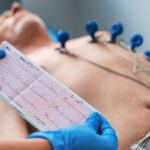
- Electrocardiogram (ECG)
- Holter monitoring
- Event recorders
- Echocardiogram
- Stress testing
These tests help cardiologists determine the type, frequency, and severity of rhythm abnormalities.
Cardiology Solutions for Heart Rhythm Disorders
Modern cardiology offers multiple solutions depending on the patient’s condition.
Medication-Based Treatments
Anti-Arrhythmic Medications
These drugs help restore or maintain a normal heart rhythm.
Rate-Control Medications
Used to slow down a fast heartbeat and reduce symptoms.
Blood Thinners
Prescribed to reduce the risk of stroke, especially in patients with irregular heart rhythms.
Medication therapy is often the first line of treatment and requires regular monitoring.
Electrical and Device-Based Cardiology Treatments
Electrical Cardioversion
A controlled electrical shock is delivered to restore a normal heart rhythm.
Pacemakers
Pacemakers regulate slow heart rhythms by sending electrical impulses to maintain a steady heartbeat.
Implantable Cardioverter-Defibrillators (ICDs)
These devices detect dangerous rhythms and deliver life-saving shocks when needed.
Interventional Cardiology Procedures
Catheter Ablation
This procedure destroys small areas of heart tissue causing abnormal electrical signals. It is often used when medications are ineffective.
Benefits of Interventional Treatments
- Long-term rhythm control
- Reduced dependence on medications
- Improved quality of life
Lifestyle Changes Recommended by Cardiologists
Lifestyle modification is a key part of managing heart rhythm disorders.
Heart-Healthy Lifestyle Measures
- Maintaining a balanced diet
- Regular physical activity as advised by a cardiologist
- Stress management
- Limiting caffeine and alcohol
- Quitting smoking
These changes support medical treatments and reduce symptom frequency.
Long-Term Monitoring and Follow-Up Care
Importance of Regular Cardiology Visits
Ongoing monitoring helps:
- Adjust treatment plans
- Detect worsening conditions early
- Prevent complications
Patients are encouraged to report new or worsening symptoms promptly.
Preventing Complications of Heart Rhythm Disorders
Untreated arrhythmias can lead to serious health problems.
Potential Complications
- Stroke
- Heart failure
- Sudden cardiac arrest
Cardiology care focuses on reducing these risks through early intervention and consistent follow-up.
Conclusion
Heart rhythm disorders are common but manageable conditions with proper cardiology care. Through accurate diagnosis, medication management, advanced devices, interventional procedures, and lifestyle guidance, cardiologists help restore normal heart rhythm and prevent life-threatening complications. Early recognition of symptoms and timely medical attention are essential for maintaining heart health and improving long-term outcomes.