





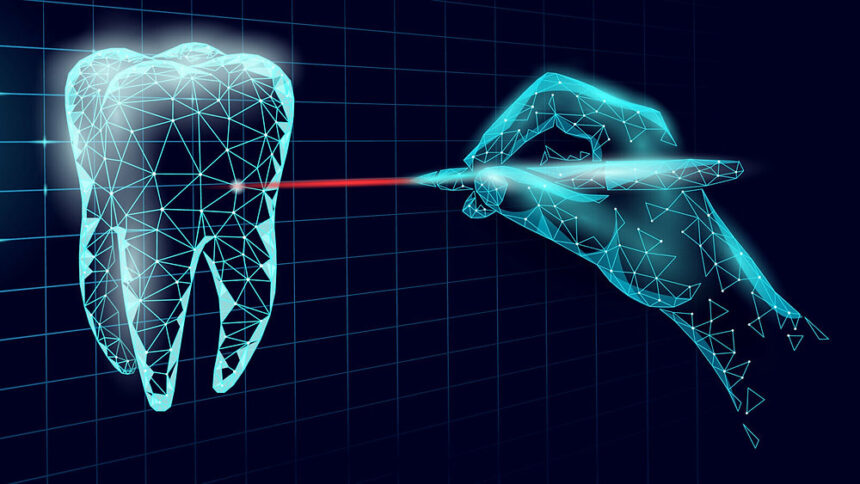
Dentistry is evolving rapidly with the help of advanced technology, research, and patient-centered care. The future of dentistry focuses on improving accuracy, comfort, efficiency, and long-term oral health outcomes. Innovative tools and modern techniques are transforming how dental professionals diagnose, treat, and prevent oral diseases. This article explores the key innovations shaping the future of oral healthcare.
Evolution of Modern Dentistry
Traditional dentistry mainly focused on treating dental problems after they occurred. The future of dentistry emphasizes prevention, early diagnosis, and minimally invasive treatments. With technological advancements, dental care is becoming more precise, faster, and more comfortable for patients.
Digital Dentistry and Advanced Imaging
3D Imaging and Digital X-Rays
Digital imaging allows dentists to view detailed images of teeth, bones, and soft tissues.
- Faster and more accurate diagnosis
- Lower radiation exposure
- Better treatment planning
Intraoral Scanners
Intraoral scanners replace traditional dental impressions.


- Increased patient comfort
- Highly accurate digital models
- Faster production of crowns and aligners
Artificial Intelligence in Dentistry
AI-Powered Diagnosis
Artificial intelligence is improving diagnostic accuracy by:
- Detecting cavities at early stages
- Identifying gum disease
- Analyzing X-rays with precision
Predictive Dental Care
AI helps dentists predict potential oral health issues before they become severe, allowing preventive treatment and personalized care plans.
Laser Dentistry and Minimally Invasive Treatments
Benefits of Laser Dentistry
Laser technology is changing dental procedures by:
- Reducing pain and discomfort
- Minimizing bleeding and swelling
- Promoting faster healing
Lasers are increasingly used in cavity treatment, gum therapy, and cosmetic procedures.
Robotics and Automation in Oral Healthcare
Role of Robotics in Dentistry
Robotic-assisted dentistry enhances precision in:
- Dental implant placement
- Complex surgical procedures
- Restorative treatments
Automation reduces human error and improves treatment success rates.
Advancements in Dental Materials
Smart Dental Materials
New materials are being developed that:
- Mimic natural tooth structure
- Release minerals to repair enamel
- Resist bacteria and decay
Improved Dental Implants
Future dental implants are designed to:
- Integrate faster with bone
- Last longer
- Reduce risk of infection
Regenerative Dentistry and Stem Cell Research
Tooth Regeneration
Research in regenerative dentistry aims to regrow damaged tooth tissues using stem cells.
- Potential to repair enamel and dentin
- Reduced need for fillings and crowns
Gum and Bone Regeneration
Advanced therapies help restore bone and gum tissue lost due to disease or injury.
Teledentistry and Remote Oral Care
Virtual Dental Consultations
Teledentistry allows patients to:
- Consult dentists remotely
- Receive early advice and diagnosis
- Improve access to dental care
This innovation is especially beneficial for rural and underserved areas.
Personalized Dentistry and Patient-Centered Care
Customized Treatment Plans
Future dentistry focuses on personalized care based on:
- Genetic factors
- Lifestyle habits
- Individual oral health risks
Customized treatment improves outcomes and patient satisfaction.
Preventive Dentistry and Smart Technology
Smart Toothbrushes and Wearable Devices
Smart dental devices help monitor:
- Brushing habits
- Gum health
- Oral hygiene effectiveness
Data from these devices helps dentists guide patients more effectively.
Environmental Sustainability in Dentistry
Eco-Friendly Dental Practices
Future dental clinics are adopting:
- Sustainable materials
- Reduced waste systems
- Energy-efficient equipment
Sustainable dentistry benefits both patients and the environment.
Challenges and Ethical Considerations
While innovation improves care, challenges remain:
- Cost of advanced technology
- Data privacy in digital systems
- Training dental professionals for new tools
Addressing these concerns is essential for responsible progress.
Conclusion
The future of dentistry is driven by innovation, technology, and a strong focus on preventive and personalized care. Digital dentistry, artificial intelligence, laser treatments, regenerative research, and teledentistry are reshaping oral healthcare. These advancements promise more accurate diagnoses, less invasive treatments, faster recovery, and improved patient experiences. As dentistry continues to evolve, embracing these innovations will lead to healthier smiles, better oral health outcomes, and a higher standard of dental care for future generations.