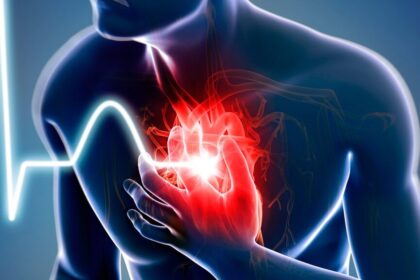





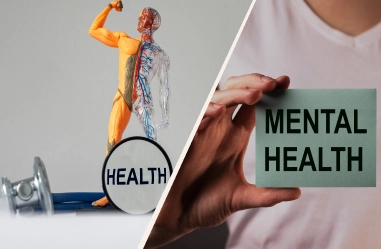
Mental health and physical health are deeply connected and influence each other in many ways. A healthy body supports a healthy mind, while good mental well-being helps maintain physical health. Ignoring one often leads to problems in the other. Understanding this connection is essential for achieving overall well-being and a balanced, healthy life.
Understanding the Mind–Body Connection
The mind and body do not function separately. Thoughts, emotions, and mental states directly affect physical processes such as heart rate, immunity, digestion, and hormone balance.
How Mental and Physical Health Are Linked
- Mental stress can trigger physical symptoms
- Physical illness can affect mood and emotions
- Lifestyle habits influence both mental and physical well-being
This two-way relationship means caring for both is necessary for long-term health.
How Mental Health Affects Physical Health
Poor mental health can increase the risk of many physical health problems.

Stress and Its Physical Effects
Chronic stress can lead to:
- High blood pressure
- Heart disease
- Weakened immune system
- Digestive problems
Stress hormones released by the body over time can damage organs and systems.
Anxiety and Physical Symptoms
Anxiety may cause:
- Rapid heartbeat
- Muscle tension
- Headaches
- Shortness of breath
Long-term anxiety can strain the nervous and cardiovascular systems.
Depression and Physical Health
Depression is linked to:
- Fatigue and low energy
- Weakened immunity
- Increased risk of chronic diseases
- Changes in appetite and sleep
People with depression may also struggle to maintain healthy habits.
How Physical Health Affects Mental Health
Physical health conditions can strongly impact mental well-being.
Chronic Illness and Mental Health
Living with long-term conditions such as diabetes, heart disease, or arthritis can lead to:
- Depression
- Anxiety
- Emotional distress
Pain and physical limitations often affect mood and motivation.
Poor Physical Fitness
Lack of exercise and poor nutrition may contribute to:
- Low mood
- Increased stress
- Reduced concentration
Physical inactivity is closely linked to mental health challenges.
Role of Lifestyle in Mental and Physical Health
Lifestyle choices directly affect both mind and body.
Importance of Physical Activity
Regular exercise:
- Releases mood-boosting chemicals
- Reduces stress and anxiety
- Improves heart and muscle health
- Enhances sleep quality
Healthy Nutrition
Balanced nutrition supports:
- Brain function
- Energy levels
- Immune system strength
Poor diet can negatively impact both physical and mental health.
Sleep: A Key Link Between Mental and Physical Health
Impact of Sleep on Health
Good sleep helps:
- Regulate emotions
- Repair body tissues
- Strengthen immunity
- Improve concentration
Sleep problems can worsen anxiety, depression, and physical fatigue.
Emotional Well-Being and the Immune System
Mental well-being plays a role in immune function.
Positive Mental Health Benefits
- Better resistance to infections
- Faster recovery from illness
- Reduced inflammation
Chronic stress and negative emotions can weaken immune defenses.
Importance of Integrated Healthcare
Treating mental and physical health together leads to better outcomes.
Holistic Health Approach
An integrated approach focuses on:
- Physical checkups
- Mental health support
- Healthy lifestyle habits
- Stress management
This approach improves quality of life and long-term health.
When to Seek Professional Help
Sometimes both mental and physical symptoms require professional care.
Warning Signs
- Persistent fatigue
- Ongoing stress or sadness
- Physical symptoms without clear cause
- Difficulty managing daily life
Early support can prevent serious complications.
Conclusion
Mental health and physical health are closely interconnected and should be treated with equal importance. Poor mental health can lead to physical illness, while physical health problems can negatively affect emotional well-being. By maintaining a healthy lifestyle, managing stress, staying active, eating well, and seeking professional help when needed, individuals can support both their mind and body. A balanced approach to mental and physical health is essential for overall wellness, resilience, and a better quality of life.