



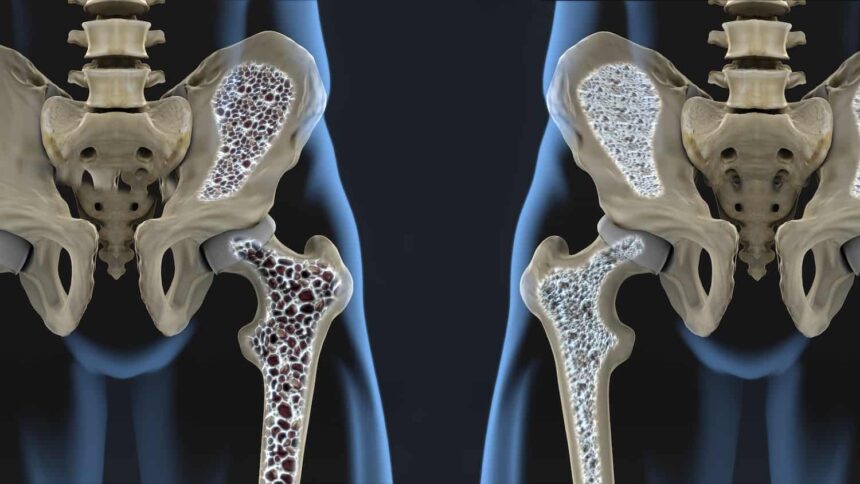
Bone health is a critical aspect of women’s overall well-being, especially as they age. Women are at a higher risk of developing osteoporosis—a condition that weakens bones and increases the risk of fractures. Understanding bone health, recognizing risk factors, and adopting preventive strategies can help women maintain strong bones and reduce the impact of osteoporosis throughout life.
Understanding Bone Health in Women
Bones are living tissues that continuously break down and rebuild. During childhood and early adulthood, bone formation exceeds bone loss, leading to strong bone density. However, as women age—particularly after menopause—bone loss can occur faster than bone formation.
Why Bone Health Is Important
- Supports posture and mobility
- Protects vital organs
- Enables daily activities and independence
- Reduces fracture and injury risk
Maintaining bone strength is essential for long-term quality of life.
What Is Osteoporosis?
Osteoporosis is a condition in which bones become thin, weak, and brittle. It often develops silently over many years and may only be discovered after a fracture occurs.

Common Sites of Osteoporotic Fractures
- Hip
- Spine
- Wrist
Even minor falls or stress can cause fractures in individuals with osteoporosis.
Why Women Are More Prone to Osteoporosis
Women are more likely than men to develop osteoporosis due to biological and hormonal factors.
Role of Hormones
Estrogen plays a key role in maintaining bone density. After menopause, estrogen levels drop sharply, accelerating bone loss.
Additional Risk Factors in Women
- Smaller and thinner bones
- Pregnancy and breastfeeding-related calcium demands
- Early menopause
- Family history of osteoporosis
Signs and Symptoms of Osteoporosis
Osteoporosis is often called a “silent disease” because symptoms may not appear until significant bone loss has occurred.
Possible Warning Signs
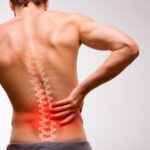
- Back pain
- Loss of height over time
- Stooped posture
- Bone fractures from minor injuries
Early screening is important, especially for women at higher risk.
Importance of Bone Density Testing
Bone Density Screening
Bone density tests help measure bone strength and assess fracture risk. These tests are especially recommended for:
- Women over the age of 50
- Postmenopausal women
- Women with family history or risk factors
Early detection allows timely intervention and prevention.
Nutrition and Bone Health in Women
Diet plays a major role in building and maintaining strong bones.
Calcium Intake
Calcium is essential for bone strength.
- Dairy products
- Leafy green vegetables
- Fortified foods
Adequate daily calcium intake helps slow bone loss.
Vitamin D for Bone Health
Vitamin D helps the body absorb calcium efficiently.
- Sun exposure
- Fortified foods
- Supplements when necessary
Low vitamin D levels increase fracture risk.
Physical Activity and Bone Strength
Weight-Bearing Exercises
Physical activity strengthens bones and muscles.
- Walking
- Jogging
- Dancing
- Stair climbing
Strength Training
Resistance exercises improve bone density and balance, reducing fall risk.
Regular exercise is one of the most effective ways to protect bone health.
Lifestyle Factors Affecting Bone Health
Smoking and Alcohol
- Smoking reduces bone density
- Excessive alcohol interferes with calcium absorption
Avoiding these habits supports healthier bones.
Body Weight and Bone Health
Very low body weight increases osteoporosis risk. Maintaining a healthy weight helps protect bones.
Osteoporosis Prevention Strategies for Women
Early Prevention
Bone health should be a priority from a young age through:
- Balanced nutrition
- Regular physical activity
- Healthy lifestyle habits
Preventing Falls
- Maintain good balance and strength
- Keep living spaces safe
- Use proper footwear
Fall prevention is essential in reducing fracture risk.
Medical Management of Osteoporosis
Treatment Options
Doctors may recommend:
- Medications to slow bone loss
- Supplements for calcium and vitamin D
- Hormone-related therapies in some cases
Treatment plans are individualized based on risk level and bone density results.
Emotional and Quality of Life Considerations
Living with osteoporosis can affect emotional well-being.
Coping with Osteoporosis
- Education about the condition
- Emotional support from family and healthcare providers
- Staying active within safe limits
Maintaining confidence and independence is an important part of care.
Conclusion
Bone health and osteoporosis are significant concerns in women’s health, particularly with aging and hormonal changes. Women are at higher risk of bone loss, but osteoporosis is largely preventable and manageable with early awareness, proper nutrition, regular exercise, and healthy lifestyle choices. Bone density screening and medical guidance play a vital role in early detection and treatment. By prioritizing bone health throughout life, women can reduce fracture risk, maintain mobility, and enjoy a healthier, more active future.