





Vitamins and minerals play a vital role in supporting women’s health at every stage of life. From adolescence to pregnancy, menopause, and older age, women have unique nutritional needs that influence energy levels, immunity, bone strength, hormonal balance, and overall well-being. Understanding the role of essential nutrients helps women maintain good health and prevent deficiencies-related problems.
Importance of Vitamins and Minerals for Women
The female body undergoes various physical and hormonal changes throughout life. Vitamins and minerals support these changes by:
- Regulating metabolism
- Supporting immune function
- Maintaining bone and muscle strength
- Promoting hormonal balance
- Reducing the risk of chronic diseases
A balanced intake of nutrients is essential for long-term health and vitality.
Essential Vitamins for Women’s Health
Vitamin A
Vitamin A supports vision, immune function, and skin health.

- Helps maintain healthy skin and tissues
- Supports eye health
- Strengthens immune defenses
Adequate intake is important, but excessive amounts should be avoided.
Vitamin B Complex
B vitamins play a key role in energy production and nervous system health.
Vitamin B6
- Supports brain function
- Helps reduce symptoms of premenstrual discomfort
- Aids in hormone regulation
Vitamin B12
- Essential for red blood cell formation
- Supports nerve health
- Helps prevent fatigue and weakness
Vitamin B12 deficiency is more common in older women and vegetarians.
Vitamin C
Vitamin C is a powerful antioxidant that supports:
- Immune health
- Skin collagen production
- Iron absorption
It also helps protect cells from oxidative stress.
Vitamin D
Vitamin D is crucial for bone health and overall wellness.
- Improves calcium absorption
- Supports bone strength
- Enhances immune function
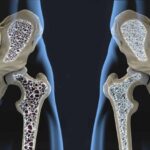
Low vitamin D levels increase the risk of bone loss and osteoporosis in women.
Vitamin E
Vitamin E supports:
- Skin and hair health
- Protection against cell damage
- Hormonal balance
It also plays a role in reproductive health.
Vitamin K
Vitamin K is important for:
- Blood clotting
- Bone mineralization
It works together with vitamin D to maintain strong bones.
Essential Minerals for Women’s Health
Calcium
Calcium is one of the most important minerals for women.
- Builds and maintains strong bones and teeth
- Reduces the risk of osteoporosis
- Supports muscle and nerve function
Women need adequate calcium intake, especially during adolescence, pregnancy, and menopause.
Iron
Iron is essential for oxygen transport in the blood.
- Prevents anemia
- Supports energy levels
- Important during menstruation and pregnancy
Iron deficiency is common in women due to blood loss during periods.
Magnesium
Magnesium supports:
- Muscle and nerve function
- Stress management
- Bone health
It also helps reduce muscle cramps and fatigue.
Zinc
Zinc plays a role in:
- Immune system support
- Wound healing
- Hormonal balance
It is also important for skin and hair health.
Iodine
Iodine supports thyroid function, which regulates metabolism and energy levels. Adequate iodine intake is especially important during pregnancy.
Vitamins and Minerals During Different Life Stages
Adolescence
Nutrients support growth, bone development, and menstrual health.
Pregnancy and Breastfeeding
Higher needs for:
- Iron
- Calcium
- Folate
- Vitamin D
Proper nutrition supports both mother and baby.
Menopause
After menopause, women need increased attention to:
- Calcium
- Vitamin D
- Magnesium
These nutrients help reduce bone loss and support overall health.
Role of Nutrition in Preventing Health Problems
Adequate vitamins and minerals help reduce the risk of:
- Osteoporosis
- Anemia
- Fatigue
- Weakened immunity
- Hormonal imbalances
Balanced nutrition is a preventive approach to women’s health.
Food Sources vs Supplements
Natural Food Sources
A balanced diet including fruits, vegetables, whole grains, dairy, lean proteins, and healthy fats provides most essential nutrients.
Supplements
Supplements may be recommended when:
- Dietary intake is insufficient
- Deficiency is diagnosed
- Special life stages increase nutrient needs
Supplements should be taken under medical guidance to avoid excess intake.
Importance of Regular Health Checkups
Regular health checkups help:
- Identify nutrient deficiencies early
- Guide proper supplementation
- Monitor overall health
Early intervention prevents long-term complications.
Conclusion
Vitamins and minerals play a fundamental role in women’s health by supporting physical strength, hormonal balance, immunity, and overall well-being. Women have unique nutritional needs that change throughout life, making proper intake of essential nutrients especially important. Through a balanced diet, healthy lifestyle choices, and professional guidance when needed, women can prevent deficiencies and support long-term health. Prioritizing vitamins and minerals is a key step toward a healthier, more active, and balanced life.