



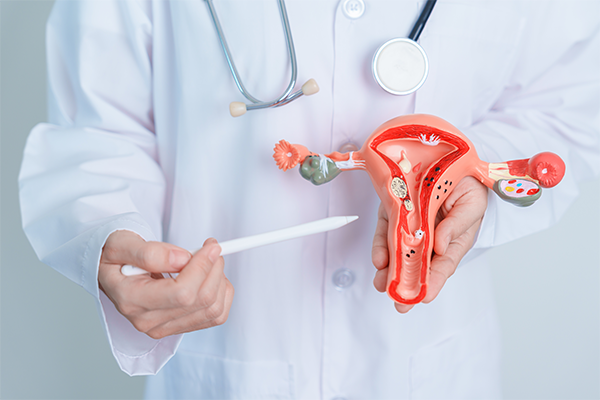
Gynecological health is a vital part of women’s overall well-being. It focuses on the health of the female reproductive system, including the uterus, ovaries, fallopian tubes, cervix, and vagina.
Many gynecological health issues are common and manageable when detected early. Understanding these conditions helps women recognize symptoms, seek timely care, and maintain long-term reproductive health.
Understanding Gynecological Health
Gynecological health covers physical, hormonal, and reproductive aspects of a woman’s body. Regular gynecological care helps prevent complications, supports fertility, and improves quality of life.
Importance of Gynecological Care
- Early detection of health problems
- Management of menstrual and hormonal issues
- Prevention of infections and complications
- Support for reproductive and sexual health
Routine checkups play a key role in maintaining gynecological health.



Common Gynecological Health Issues
Menstrual Disorders
Menstrual problems are among the most common gynecological concerns.
Irregular Periods
Irregular menstrual cycles may be caused by:
- Hormonal imbalances
- Stress
- Polycystic ovary syndrome (PCOS)
- Thyroid disorders
Painful Periods (Dysmenorrhea)
Severe menstrual pain can interfere with daily activities and may be linked to underlying conditions such as endometriosis.
Polycystic Ovary Syndrome (PCOS)
PCOS is a common hormonal disorder affecting women of reproductive age.
Symptoms of PCOS
- Irregular or missed periods
- Excess facial or body hair
- Acne
- Weight gain
- Difficulty conceiving
PCOS requires long-term management through lifestyle changes and medical care.
Endometriosis
Endometriosis occurs when tissue similar to the uterine lining grows outside the uterus.
Common Symptoms
- Severe pelvic pain
- Pain during periods
- Pain during intercourse
- Fertility problems
Early diagnosis helps manage pain and reduce complications.
Uterine Fibroids
Uterine fibroids are non-cancerous growths in the uterus.
Signs and Symptoms
- Heavy or prolonged periods
- Pelvic pressure or pain
- Frequent urination
- Lower back pain
Fibroids vary in size and may not always cause symptoms.
Vaginal Infections
Vaginal infections are common and usually treatable.
Types of Vaginal Infections
- Yeast infections
- Bacterial vaginosis
- Sexually transmitted infections (STIs)
Symptoms to Watch For
- Abnormal discharge
- Itching or burning
- Unpleasant odor
Prompt treatment prevents complications.
Pelvic Inflammatory Disease (PID)
PID is an infection of the female reproductive organs, often caused by untreated STIs.
Possible Symptoms
- Lower abdominal pain
- Fever
- Unusual vaginal discharge
- Pain during intercourse
Early treatment is essential to prevent infertility and chronic pain.
Gynecological Cancers
Common Types
- Cervical cancer
- Ovarian cancer
- Uterine cancer
Importance of Screening
Regular screening tests help detect cancer early, when treatment is most effective.
Menopause-Related Gynecological Issues
Menopause brings hormonal changes that can affect gynecological health.
Common Concerns
- Vaginal dryness
- Hot flashes
- Changes in menstrual patterns
- Increased risk of osteoporosis
Medical guidance helps manage symptoms and maintain comfort.
Importance of Regular Gynecological Checkups
Routine gynecological visits help:
- Detect health issues early
- Monitor reproductive health
- Provide guidance on contraception and family planning
- Support sexual and hormonal health
Women should seek medical advice even if symptoms are mild.
Lifestyle Factors Affecting Gynecological Health
Healthy Habits
- Balanced nutrition
- Regular physical activity
- Stress management
- Proper hygiene
Healthy lifestyle choices support hormonal balance and reproductive health.
When to Seek Medical Attention
Consult a healthcare provider if you experience:
- Severe or persistent pelvic pain
- Abnormal bleeding
- Missed periods
- Unusual vaginal discharge
- Pain during intercourse
Early care prevents complications and improves outcomes.
Conclusion
Gynecological health issues are common and affect women at different stages of life. Conditions such as menstrual disorders, PCOS, endometriosis, fibroids, infections, and menopause-related changes can significantly impact physical and emotional well-being. Understanding symptoms, maintaining regular gynecological checkups, and adopting healthy lifestyle habits are essential for early detection and effective management. Prioritizing gynecological health empowers women to take control of their reproductive well-being and maintain a healthier, more balanced life.