






Regular health checkups are essential for women at every stage of life. Women experience unique biological and hormonal changes—from adolescence and pregnancy to menopause and aging—that can affect their physical and mental health. Routine medical checkups help detect health issues early, prevent complications, and support long-term well-being. This article explains why regular health checkups are important for women and how they contribute to a healthier, more balanced life.
Understanding Regular Health Checkups
Health checkups involve preventive medical examinations, screenings, and consultations designed to assess overall health. These visits are not only for treating illness but also for preventing diseases before symptoms appear.
Purpose of Health Checkups
- Early detection of diseases
- Monitoring existing health conditions
- Preventing serious complications
- Promoting healthy lifestyle habits
Preventive care is more effective and less costly than treating advanced disease.
Why Regular Health Checkups Are Especially Important for Women
Women face specific health risks related to hormones, reproduction, and aging. Regular checkups help address these unique needs through timely screening and guidance.

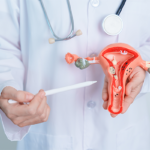

Hormonal and Reproductive Health
Routine checkups help monitor:
- Menstrual health
- Hormonal balance
- Fertility and reproductive concerns
Early identification of issues supports better treatment outcomes.
Early Detection of Common Women’s Health Conditions
Many serious conditions show few or no symptoms in their early stages.
Early Detection Saves Lives
Regular checkups help detect:
- High blood pressure
- Diabetes
- Heart disease
- Thyroid disorders
- Anemia
Early diagnosis allows prompt treatment and reduces long-term health risks.
Importance of Preventive Screenings for Women
Preventive screenings are a vital part of regular health checkups.
Key Screenings for Women
- Blood pressure and cholesterol checks
- Blood sugar testing
- Breast health screening
- Bone density assessment
- Reproductive health evaluations
These screenings help identify risks before they become serious problems.
Mental Health Monitoring Through Regular Checkups
Mental health is just as important as physical health.
Mental Well-Being Benefits
Regular health visits provide opportunities to:
- Discuss stress, anxiety, or mood changes
- Identify early signs of depression
- Receive guidance or referrals when needed
Addressing mental health early improves overall quality of life.
Role of Health Checkups During Different Life Stages
Adolescence and Young Adulthood
Checkups support:
- Healthy growth and development
- Menstrual health education
- Lifestyle guidance
Pregnancy and Reproductive Years
Regular checkups help:
- Monitor maternal health
- Prevent pregnancy-related complications
- Support fertility and family planning
Menopause and Later Life
After menopause, checkups are important for:
- Bone health monitoring
- Heart disease prevention
- Managing hormonal changes
Preventing Chronic Diseases Through Regular Checkups
Many chronic diseases can be prevented or controlled with early intervention.
Benefits of Preventive Care
- Reduces risk of heart disease
- Helps manage weight and metabolism
- Supports bone and joint health
- Improves long-term independence
Healthy habits encouraged during checkups play a major role in disease prevention.
Importance of Personalized Health Advice
Every woman has different health needs.
Personalized Care Benefits
Regular checkups allow healthcare providers to:
- Tailor advice based on age and health history
- Recommend appropriate tests and screenings
- Provide nutrition and lifestyle guidance
Personalized care leads to better health outcomes.
Building Health Awareness and Responsibility
Routine checkups encourage women to take an active role in their health.
Health Education Benefits
- Increased awareness of risk factors
- Better understanding of body changes
- Improved adherence to healthy habits
Informed women are better equipped to make healthy decisions.
Overcoming Barriers to Regular Health Checkups
Many women delay checkups due to busy schedules or lack of symptoms.
Why You Should Not Delay
- Symptoms often appear late
- Early care is simpler and more effective
- Preventive visits save time and cost in the long run
Prioritizing health is an investment in the future.
Conclusion
Regular health checkups are essential for maintaining women’s physical, mental, and emotional well-being. They play a key role in early detection of diseases, prevention of complications, and management of health changes throughout different life stages. By attending routine medical checkups, women can take control of their health, make informed decisions, and enjoy a better quality of life. Preventive care is not just about avoiding illness—it is about building a healthier, stronger future.