





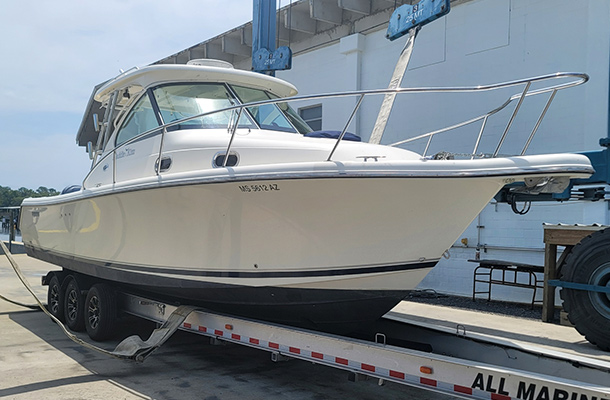
Transporting a boat can be a complex and costly process, especially when you are unfamiliar with how pricing works. One of the most common questions boat owners ask is: How much does boat transport cost per mile? Understanding this pricing structure is essential for budgeting and choosing the right service provider.
In this comprehensive guide, we’ll break down everything you need to know about boat transport cost per mile, including pricing factors, average rates, hidden fees, and how to save money.
What Is Boat Transport Cost per Mile?
Boat transport cost per mile refers to the pricing model used by transport companies to calculate the cost of moving a vessel over a specific distance. Instead of charging a flat fee, most companies use a per-mile rate that varies depending on several factors such as boat size, weight, route complexity, and transport method.
This pricing model allows both customers and transport providers to estimate costs more accurately based on the specifics of each shipment.
Average Boat Transport Cost per Mile in the USA
On average, boat transport costs in the United States range between:
- $1.50 to $3.50 per mile for standard boat sizes
- $3.50 to $5.00+ per mile for oversized or complex shipments
Typical Cost Examples
- 20-foot boat (500 miles): $750 – $1,200
- 25-foot boat (1,000 miles): $1,500 – $2,500
- 35-foot boat (cross-country): $4,000 – $8,000+
It’s important to note that longer distances often reduce the cost per mile, while shorter trips may have higher rates due to fixed costs like loading and permits.
Key Factors That Affect Cost per Mile
Several variables influence how much you’ll pay for boat transport per mile.
1. Boat Size and Dimensions
The size of your boat is the biggest pricing factor.
- Small boats (under 20 feet): Lower cost per mile
- Mid-size boats (20–30 feet): Moderate pricing
- Large boats (30+ feet): Higher cost due to permits and logistics
Oversized boats (typically wider than 8.5 feet) require special permits, which increases costs significantly.
2. Weight of the Boat
Heavier boats require more fuel and specialized trailers, increasing transport costs.
- Lightweight boats: cheaper to move
- Heavy yachts: significantly more expensive
3. Distance of Transport
Distance directly impacts pricing, but not always proportionally.
- Short distances → higher cost per mile
- Long distances → lower cost per mile
This is because fixed costs like loading and scheduling are spread across more miles.
4. Route Complexity
Certain routes are more difficult and expensive.
- Narrow roads
- Low bridges
- Urban traffic areas
- Mountain regions
These challenges may require detours, escorts, or special planning.
5. Seasonality
Boat transport demand fluctuates throughout the year.
- Peak season (spring & summer): Higher prices
- Off-season (fall & winter): Lower rates
Planning your shipment during the off-season can save you money.
6. Type of Transport
The method used also impacts cost per mile.
- Road transport: Most affordable option
- Water transport: Depends on route
- International shipping: Significantly higher cost
Hidden Costs You Should Know About
While per-mile pricing is helpful, additional costs can quickly add up.
1. Permits and Escort Vehicles
Oversized boats require special permits and sometimes escort vehicles, which can cost hundreds or even thousands of dollars.
2. Loading and Unloading Fees
Cranes or hydraulic lifts may be needed to load or unload the boat.
3. Storage Fees
If there’s a delay in pickup or delivery, storage charges may apply.
4. Insurance Costs
While basic insurance is often included, additional coverage may cost extra.
Cost Breakdown Example
Let’s say you’re transporting a 28-foot boat over 800 miles.
- Base rate: $2.50 per mile
- Total mileage cost: $2,000
- Permits: $300
- Loading/unloading: $200
- Total estimated cost: $2,500
This example shows how extra fees can impact your final price.
How to Reduce Boat Transport Costs
If you want to save money on boat transport, consider the following strategies:
1. Choose Flexible Scheduling
Allowing flexible pickup and delivery dates can reduce costs.
2. Book in Advance
Last-minute bookings often come with premium pricing.
3. Prepare Your Boat Properly
Removing accessories and reducing weight can lower costs.
4. Compare Multiple Quotes
Always get quotes from different providers to find the best deal.
5. Work with Reliable Providers
Choosing experienced companies ensures efficiency and avoids costly mistakes.
For example, many boat owners prefer working with small boat transport companies because they often offer competitive pricing and personalized service for smaller vessels.
Small Boat vs Large Boat Cost Comparison
Small Boat Transport
- Lower cost per mile
- Fewer permits required
- Easier logistics
Large Boat Transport
- Higher cost per mile
- Requires permits and escorts
- More complex handling
Understanding this difference helps you estimate costs more accurately.
Domestic vs International Cost per Mile
Domestic Transport
- $1.50 – $4.00 per mile
- Faster delivery
- Fewer regulations
International Transport
- Pricing based on container or vessel space
- Additional customs and port fees
- Transit time: 3–6 weeks
International shipping is usually calculated differently but can still be broken down into a per-mile equivalent.
Why Cost per Mile Matters
Understanding cost per mile helps you:
- Budget accurately
- Compare quotes effectively
- Avoid hidden fees
- Choose the best transport method
It also allows you to negotiate better deals with transport providers.
Choosing the Right Boat Transport Company
Not all transport companies offer the same level of service. Here’s what to look for:
- Positive customer reviews
- Transparent pricing
- Proper licensing and insurance
- Experience with your boat type
- Nationwide or international coverage
A reliable company will provide a detailed quote and explain all charges upfront.
Future Trends in Boat Transport Pricing
The boat transport industry is evolving with new technologies and trends.
1. Online Pricing Tools
Instant cost calculators make it easier to estimate expenses.
2. GPS Tracking
Real-time tracking improves transparency and security.
3. Eco-Friendly Transport
Fuel-efficient methods are reducing operational costs.
4. Increased Competition
More providers are entering the market, leading to competitive pricing.
Conclusion
Understanding boat transport cost per mile is essential for anyone planning to move a vessel. While average rates range between $1.50 and $5.00 per mile, the actual cost depends on factors such as boat size, distance, route complexity, and additional services.
By considering all these variables and working with a reputable transport provider, you can ensure a smooth, cost-effective shipping experience. Whether you’re moving a small fishing boat or a large yacht, being informed about pricing will help you make the best decision.