






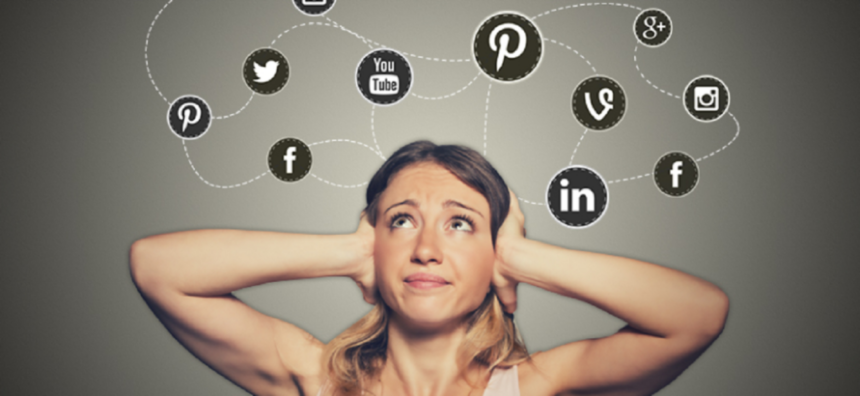
Social media has become an integral part of modern life, shaping how people communicate, share information, and perceive the world. While it offers many benefits, excessive or unhealthy use of social media can negatively impact mental health. Understanding both the positive and negative effects is essential for developing a balanced and healthy relationship with digital platforms.
Understanding Social Media Use in Daily Life
Social media platforms allow users to connect instantly, share experiences, and access information. For many people, social media is part of daily routines at work, school, and home. However, constant exposure and overuse can influence thoughts, emotions, and behavior.
Positive Effects of Social Media on Mental Health
When used mindfully, social media can support mental well-being.
Social Connection and Support
Social media helps people:



- Stay connected with family and friends
- Find support communities
- Reduce feelings of loneliness
Online groups can be especially helpful for individuals facing similar challenges.
Awareness and Mental Health Education
Social media platforms spread:
- Mental health awareness
- Educational content
- Encouraging messages
This increased visibility helps reduce stigma and promotes open discussion.
Negative Effects of Social Media on Mental Health
Despite its benefits, social media can also create mental health challenges.
Increased Anxiety and Stress
Constant notifications, messages, and updates can lead to:
- Mental overload
- Difficulty relaxing
- Increased stress levels
The pressure to stay connected can become overwhelming.
Depression and Low Self-Esteem
Comparing oneself to others online may result in:
- Feelings of inadequacy
- Low self-worth
- Negative self-image
People often compare their real lives to the edited highlights of others.
Social Media and Body Image Issues
Unrealistic Standards
Filtered photos and edited images can promote unrealistic beauty standards, leading to:
- Body dissatisfaction
- Poor self-confidence
- Disordered eating behaviors
This effect is especially strong among teenagers and young adults.
Fear of Missing Out (FOMO)
Psychological Impact of FOMO
Seeing others’ activities and achievements can create:
- Anxiety about being left out
- Dissatisfaction with one’s own life
- Constant need to check updates
FOMO increases dependence on social media and affects emotional well-being.
Social Media Addiction and Mental Health
Signs of Excessive Use
Problematic social media use may include:
- Spending excessive time online
- Difficulty focusing on daily tasks
- Irritability when unable to access social media
Addictive behavior can interfere with sleep, work, and relationships.
Impact on Sleep and Mental Well-Being
Poor Sleep Quality
Using social media late at night can:
- Disrupt sleep patterns
- Increase mental fatigue
- Worsen anxiety and mood disorders
Lack of sleep directly affects emotional regulation and concentration.
Effects on Children and Adolescents
Young people are especially vulnerable to social media’s impact.
Mental Health Risks for Youth
- Increased risk of anxiety and depression
- Cyberbullying exposure
- Social pressure and academic stress
Parental guidance and healthy boundaries are crucial for young users.
Cyberbullying and Emotional Harm
Psychological Effects of Online Harassment
Cyberbullying can cause:
- Emotional distress
- Low self-esteem
- Fear and isolation
Its constant nature makes it more harmful than traditional bullying.
Building a Healthy Relationship with Social Media
Tips for Protecting Mental Health
- Limit daily screen time
- Take regular digital breaks
- Avoid constant comparison
- Follow positive and supportive content
- Prioritize real-life interactions
Mindful use reduces negative emotional effects.
When to Seek Professional Help
Social media-related stress can sometimes require professional support.
Warning Signs
- Persistent sadness or anxiety
- Social withdrawal
- Loss of interest in daily activities
- Sleep disturbances
Mental health professionals can help develop healthy coping strategies.
Conclusion
Social media has both positive and negative effects on mental health. While it can foster connection, awareness, and support, excessive use may lead to anxiety, depression, low self-esteem, and sleep problems. The key lies in mindful and balanced usage. By setting boundaries, limiting screen time, and focusing on real-world connections, individuals can protect their mental well-being while still enjoying the benefits of social media. A healthy digital lifestyle supports a healthier mind and a more balanced life.