






Physical health plays a vital role in how we move, work, and enjoy daily life. Pain, injuries, or mobility limitations can significantly affect independence and overall well-being. Physical therapy is a proven, non-invasive approach that helps people recover from injuries, manage chronic conditions, and improve physical performance through personalized, hands-on care.
For individuals seeking professional rehabilitation and wellness support, working with an experienced provider like Atlas Physical Therapy can be an important step toward restoring movement, reducing pain, and achieving long-term physical health goals.
Understanding What Physical Therapy Really Is
Physical therapy focuses on restoring and improving physical function through targeted exercises, manual therapy, education, and movement training. Unlike treatments that rely solely on medication or surgery, physical therapy addresses the root cause of pain or dysfunction.

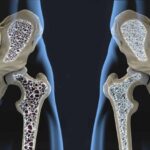
A licensed physical therapist evaluates how the body moves, identifies limitations, and creates a customized treatment plan designed to improve strength, flexibility, balance, and coordination. This approach supports recovery while helping prevent future injuries.
The Importance of Hands-On, Personalized Care
No two bodies are exactly alike, and effective physical therapy recognizes this. Personalized treatment ensures that each patient’s condition, goals, and lifestyle are considered when designing a care plan.
Hands-on care may include:
- Manual therapy techniques to reduce stiffness and improve joint mobility
- Soft tissue mobilization to relieve muscle tension
- Guided therapeutic exercises tailored to specific needs
- Movement retraining to improve posture and mechanics
This individualized attention helps patients progress safely and efficiently.
Common Conditions Treated With Physical Therapy
Physical therapy is beneficial for a wide range of conditions, from acute injuries to long-term chronic pain. Some of the most common issues treated include:
Back and Neck Pain
Poor posture, muscle imbalances, and spinal conditions can lead to persistent back or neck pain. Physical therapy helps strengthen supportive muscles, improve alignment, and reduce strain on the spine.
Joint Injuries
Injuries to the knees, shoulders, hips, or ankles often limit movement and stability. Therapy focuses on restoring joint function, reducing inflammation, and preventing re-injury.
Sports-Related Injuries
Athletes frequently rely on physical therapy to recover from sprains, strains, and overuse injuries. Treatment also improves performance by correcting movement patterns and enhancing strength.
Post-Surgical Rehabilitation
After surgery, physical therapy is essential for regaining strength and mobility. Structured rehabilitation helps ensure proper healing and a safe return to daily activities.
Chronic Pain Conditions
Conditions such as arthritis, tendonitis, and fibromyalgia can benefit from targeted therapy that reduces pain while improving function and quality of life.
How Physical Therapy Supports Long-Term Wellness
Physical therapy is not only for injury recovery—it also plays a critical role in maintaining overall wellness. Preventive care helps individuals stay active and avoid future problems.
Wellness-focused physical therapy can:
- Improve balance and reduce fall risk
- Enhance flexibility and joint mobility
- Increase muscle strength and endurance
- Promote healthy posture and movement habits
By addressing small issues early, physical therapy helps prevent more serious conditions from developing.
The Role of Education in Physical Therapy
Patient education is a core component of effective physical therapy. Understanding how the body works empowers individuals to take an active role in their recovery and long-term health.
Physical therapists often teach:
- Proper body mechanics for daily activities
- Safe exercise techniques
- Injury prevention strategies
- Home exercise programs for continued progress
This knowledge allows patients to maintain improvements even after formal therapy sessions end.
Why Early Intervention Matters
Delaying treatment after an injury or onset of pain can lead to worsening symptoms and longer recovery times. Early physical therapy intervention helps reduce inflammation, restore movement, and prevent compensatory patterns that can cause additional issues.
Seeking professional care early often leads to:
- Faster recovery
- Reduced need for surgery or medication
- Lower long-term healthcare costs
- Better overall outcomes
Physical Therapy and Active Lifestyles
Whether you are an athlete, a working professional, or a retiree, physical therapy supports an active lifestyle. Therapy programs are designed to align with personal goals, whether that means returning to sports, performing job-related tasks, or simply moving without pain.
Customized programs help individuals:
- Build confidence in movement
- Improve endurance for daily activities
- Return safely to hobbies and exercise
- Maintain independence as they age
What to Expect During a Physical Therapy Program
Understanding the process can help patients feel more comfortable and confident when starting therapy.
Initial Evaluation
The first visit typically includes a comprehensive assessment of movement, strength, flexibility, and pain levels. The therapist discusses medical history and personal goals to design a treatment plan.
Ongoing Treatment Sessions
Each session builds on previous progress and may include exercises, manual therapy, and functional training. Therapists monitor improvements and adjust the plan as needed.
Progress Tracking
Measurable goals help track improvement over time. This ensures that therapy remains effective and aligned with patient objectives.
Physical Therapy Across Different Life Stages
Physical therapy benefits individuals at every stage of life.
Children and Teens
Therapy can address developmental concerns, sports injuries, and posture issues, helping young patients stay active and healthy.
Adults
Working adults often seek therapy for work-related injuries, chronic pain, or stress-related movement issues.
Older Adults
For seniors, physical therapy improves balance, mobility, and strength, reducing fall risk and supporting independence.
Choosing the Right Physical Therapy Provider
Selecting a qualified and patient-focused provider is essential for successful outcomes. Look for a practice that emphasizes individualized care, hands-on treatment, and clear communication.
A trusted provider such as atlasptsc.com offers comprehensive physical therapy services designed to help patients achieve their maximum physical potential through professional, compassionate care.
The Connection Between Physical Therapy and Mental Well-Being
Physical health and mental well-being are closely connected. Chronic pain and mobility limitations often lead to stress, anxiety, and reduced confidence. Physical therapy helps improve both physical function and emotional outlook.
Benefits may include:
- Reduced stress from pain relief
- Increased confidence in movement
- Improved mood through activity and progress
- Greater sense of control over health
Preventing Injuries Through Movement Awareness
Many injuries occur due to poor movement habits or muscle imbalances. Physical therapy emphasizes proper mechanics and muscle coordination, reducing strain on joints and tissues.
Preventive strategies include:
- Strengthening weak muscle groups
- Improving flexibility in tight areas
- Enhancing balance and coordination
- Teaching safe movement patterns
Long-Term Benefits of Consistent Physical Therapy
Consistency is key to achieving lasting results. Regular participation in therapy helps maintain gains and prevent setbacks.
Long-term benefits include:
- Sustained pain relief
- Improved physical performance
- Greater resilience against injuries
- Enhanced overall quality of life
Final Thoughts
Physical therapy is a powerful tool for restoring movement, managing pain, and improving overall wellness. Through personalized, hands-on care, individuals can overcome physical challenges and achieve their health goals.
Whether recovering from an injury, managing chronic pain, or striving for better mobility, professional physical therapy provides the guidance and support needed for lasting improvement. With a commitment to exceptional care and patient-centered treatment, physical therapy helps people move better, feel stronger, and live healthier lives.