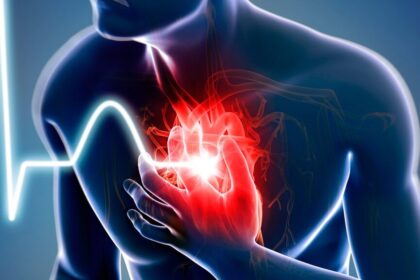





Pain can significantly affect daily life, mobility, and emotional well-being. While surgery is sometimes necessary, many types of pain can be effectively managed without surgical intervention. Non-surgical pain management focuses on reducing pain, improving function, and enhancing quality of life using safe, conservative, and evidence-based approaches. This article explains the most common non-surgical pain management options and how they help control pain.
Understanding Non-Surgical Pain Management
Non-surgical pain management refers to treatments that relieve pain without the need for invasive procedures. These approaches aim to treat the underlying cause of pain, minimize discomfort, and help patients maintain normal activities.
Goals of Non-Surgical Pain Management
- Reduce pain intensity
- Improve movement and flexibility
- Enhance daily functioning
- Prevent pain from becoming chronic
- Avoid surgical risks and complications
Types of Pain Treated Without Surgery
Non-surgical methods are effective for many pain conditions.
Acute Pain
- Muscle strains
- Minor injuries
- Postural pain
Chronic Pain
- Back and neck pain
- Arthritis and joint pain
- Nerve pain
- Headaches and migraines
- Fibromyalgia
Physical Therapy for Pain Relief
Role of Physical Therapy
Physical therapy is one of the most effective non-surgical pain management options. It focuses on movement-based healing.


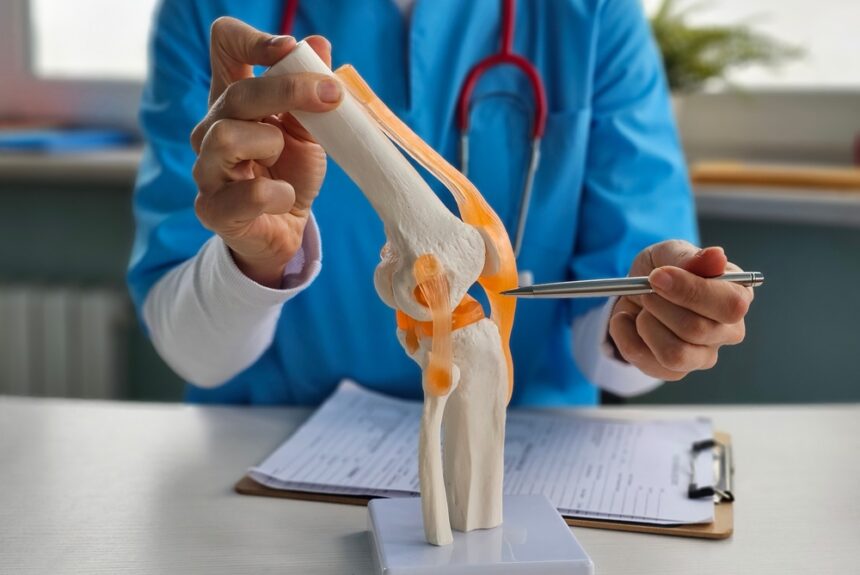
How Physical Therapy Helps
- Strengthens muscles and joints
- Improves posture and flexibility
- Reduces stiffness and inflammation
- Promotes natural healing
Customized exercise programs help manage pain safely and long-term.
Medications in Non-Surgical Pain Management
Over-the-Counter Pain Relievers
These may include pain relievers and anti-inflammatory drugs used for mild to moderate pain.
Prescription Medications
Doctors may prescribe medications for:
- Chronic pain
- Nerve-related pain
- Muscle spasms
Medication use is carefully monitored to avoid side effects and dependence.
Injection-Based Pain Management
Types of Injections
Non-surgical injections help reduce inflammation and pain, such as:
- Corticosteroid injections
- Nerve block injections
- Joint injections
Benefits of Pain Injections
- Targeted pain relief
- Reduced inflammation
- Improved mobility
These treatments are often combined with physical therapy for better results.
Alternative and Complementary Therapies
Acupuncture
Acupuncture helps relieve pain by stimulating specific points in the body to promote natural pain relief.
Massage Therapy
Massage reduces muscle tension, improves circulation, and decreases pain sensitivity.
Chiropractic Care
Chiropractic treatments focus on spinal alignment to reduce nerve pressure and musculoskeletal pain.
Lifestyle Changes for Pain Management
Exercise and Movement
Regular low-impact activities such as walking, swimming, or stretching help:
- Reduce stiffness
- Improve joint health
- Decrease pain over time
Weight Management
Maintaining a healthy weight reduces stress on joints and muscles, especially in back and knee pain.
Stress Management and Mental Health Support
Connection Between Stress and Pain
Stress and anxiety can intensify pain perception and slow recovery.
Stress-Reduction Techniques
- Relaxation exercises
- Meditation and mindfulness
- Breathing techniques
Mental well-being plays a key role in effective pain control.
Use of Heat and Cold Therapy
Heat Therapy
Heat helps relax muscles and improve blood flow, reducing stiffness and discomfort.
Cold Therapy
Cold packs reduce inflammation, swelling, and pain, especially after injuries.
Education and Self-Management Strategies
Patient Education
Patients learn:
- Proper posture and movement
- Safe exercise techniques
- Pain prevention strategies
Self-Management Benefits
Empowered patients can manage pain more effectively and reduce flare-ups.
Advantages of Non-Surgical Pain Management
Key Benefits
- Avoids surgical risks
- Minimal recovery time
- Cost-effective
- Suitable for long-term pain control
These approaches allow patients to remain active and independent.
When to Consider Professional Help
Non-surgical pain management should be guided by healthcare professionals when:
- Pain lasts longer than expected
- Daily activities become difficult
- Pain worsens despite home care
Early intervention prevents complications and improves outcomes.
Conclusion
Non-surgical pain management offers effective, safe, and flexible solutions for managing both acute and chronic pain. Through physical therapy, medications, injections, lifestyle changes, stress management, and alternative therapies, many individuals can achieve significant pain relief without surgery. A personalized and multidisciplinary approach provides the best results, helping patients improve mobility, regain comfort, and enhance their overall quality of life.