






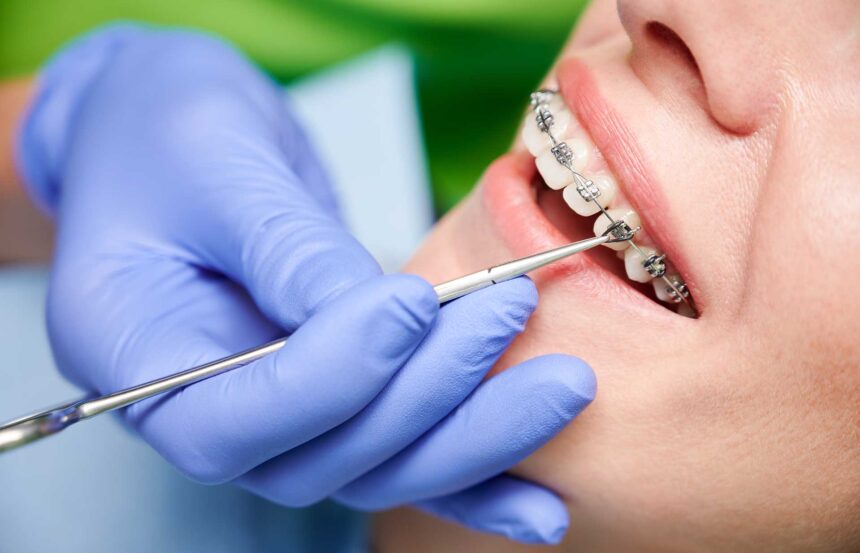
Orthodontics is a specialized field of dentistry that focuses on diagnosing, preventing, and correcting misaligned teeth and jaws. Straightening teeth is not only important for improving appearance but also plays a major role in oral health, proper bite function, and overall dental hygiene. This article explains how orthodontics works within dentistry and why straightening teeth is essential for long-term dental health.
Understanding Orthodontics in Dentistry
Orthodontics deals with dental irregularities such as crooked teeth, crowded teeth, gaps, and bite problems. These issues can affect chewing, speech, and oral cleanliness if left untreated.
What Does Orthodontic Treatment Aim to Do?
Orthodontic treatment helps to:
- Align teeth properly
- Correct bite issues
- Improve jaw alignment
- Enhance overall oral function
By working closely with general dentistry, orthodontics ensures both functional and aesthetic dental health.


Why Straightening Teeth Is Important
Straight teeth are easier to clean and maintain, reducing the risk of many dental problems.
Oral Health Benefits
- Easier brushing and flossing
- Reduced risk of cavities
- Lower chances of gum disease
- Even distribution of chewing pressure
Functional Benefits
Properly aligned teeth improve:
- Chewing efficiency
- Speech clarity
- Jaw comfort
Aesthetic and Confidence Benefits
A straight smile can:
- Improve facial appearance
- Boost self-confidence
- Enhance social and professional interactions
Common Dental Problems Treated by Orthodontics
Orthodontic treatment addresses a wide range of dental issues.
Crooked and Crowded Teeth
Crowded teeth overlap and trap food particles, increasing the risk of decay and gum disease.
Gaps Between Teeth
Spaces between teeth can affect appearance and allow food to lodge between teeth.
Bite Problems
- Overbite
- Underbite
- Crossbite
- Open bite
Correcting bite issues helps prevent jaw pain, uneven tooth wear, and chewing difficulties.
Orthodontic Treatment Options in Dentistry
Modern dentistry offers several orthodontic solutions based on patient needs.
Braces
Traditional braces use brackets and wires to gradually move teeth into proper alignment. They are effective for complex dental problems.
Clear Aligners
Clear aligners are removable and nearly invisible. They are popular among adults seeking discreet orthodontic treatment.
Retainers
Retainers are used after active treatment to maintain teeth alignment and prevent shifting.
Orthodontics for Children, Teens, and Adults
Orthodontic care is beneficial at all ages.
Orthodontics for Children
Early orthodontic evaluation helps:
- Guide jaw growth
- Prevent severe alignment issues
- Reduce the need for complex treatment later
Orthodontics for Teenagers
Teen years are ideal for orthodontic treatment because teeth and jaws are still developing.
Orthodontics for Adults
Adult orthodontics improves:
- Oral health
- Bite function
- Smile aesthetics
Modern options make treatment comfortable and discreet for adults.
Role of Dentists and Orthodontists
General Dentist’s Role
Dentists:
- Identify alignment issues
- Refer patients for orthodontic evaluation
- Maintain overall oral health during treatment
Orthodontist’s Role
Orthodontists:
- Design customized treatment plans
- Monitor tooth movement
- Adjust appliances for effective results
Together, dentistry and orthodontics ensure safe and successful teeth straightening.
Oral Care During Orthodontic Treatment
Maintaining good oral hygiene is essential during orthodontic treatment.
Dental Care Tips
- Brush after every meal
- Use floss or special orthodontic cleaners
- Avoid sticky and hard foods
- Attend regular dental checkups
Proper care prevents cavities and gum problems during treatment.
Long-Term Benefits of Orthodontic Treatment
Straightened teeth provide lifelong advantages.
Health and Maintenance Benefits
- Easier oral hygiene
- Reduced dental treatment costs
- Lower risk of tooth damage
Quality of Life Improvements
- Comfortable chewing
- Clear speech
- Confident smile
Orthodontic treatment is an investment in both dental health and overall well-being.
Conclusion
Orthodontics plays a vital role in dentistry by helping straighten teeth and correct bite problems. Proper alignment improves oral health, function, and appearance while preventing long-term dental complications. Through braces, clear aligners, and retainers, orthodontic treatment offers effective solutions for patients of all ages. When combined with regular dental care and good oral hygiene, orthodontics ensures a healthy smile and strong teeth for life.