





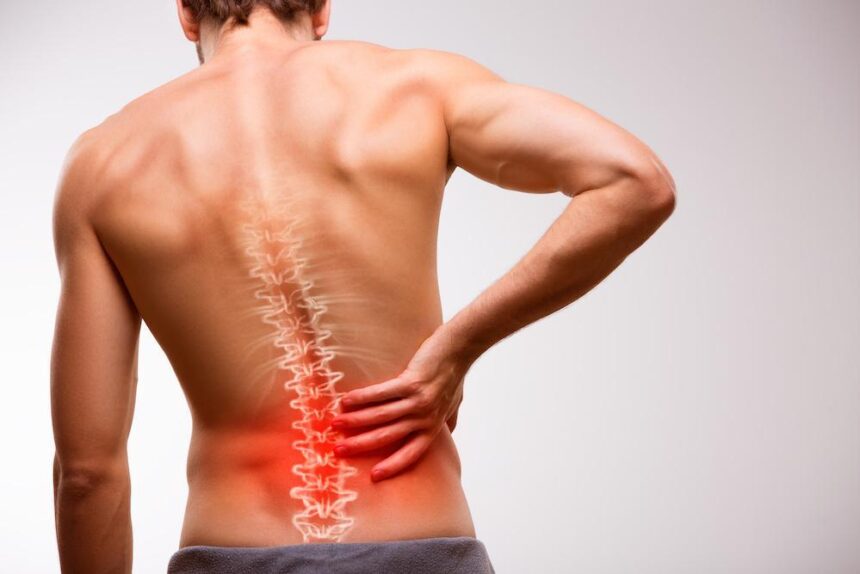
Chronic lower back pain is one of the most common health problems affecting people of all ages. It is defined as lower back pain that lasts for more than three months and can significantly interfere with daily activities, work, and quality of life. Effective pain management for chronic lower back pain focuses on reducing pain, improving mobility, and addressing the underlying causes through a combination of medical care, lifestyle changes, and self-management strategies.
Understanding Chronic Lower Back Pain
Chronic lower back pain often develops gradually and may persist even after the original injury has healed.
Common Causes of Chronic Lower Back Pain
- Poor posture and prolonged sitting
- Muscle weakness or imbalance
- Disc degeneration or herniation
- Arthritis of the spine
- Nerve compression
- Previous injuries
Identifying the cause is essential for creating an effective pain management plan.
Importance of Pain Management for Chronic Lower Back Pain
Untreated chronic pain can lead to physical limitations and emotional stress.



Benefits of Proper Pain Management
- Reduces daily discomfort
- Improves mobility and flexibility
- Enhances ability to work and perform activities
- Prevents worsening of the condition
- Improves mental well-being
Pain management aims to control pain rather than eliminate it completely in every case.
Non-Surgical Pain Management Approaches
Most cases of chronic lower back pain can be managed without surgery.
Physical Therapy for Lower Back Pain
Role of Physical Therapy
Physical therapy is a cornerstone of chronic lower back pain management. It focuses on restoring movement and strengthening the muscles that support the spine.
Physical Therapy Techniques
- Core strengthening exercises
- Stretching and flexibility training
- Posture correction
- Manual therapy
Consistent physical therapy reduces pain and prevents recurrence.
Exercise and Movement-Based Pain Relief
Importance of Regular Exercise
Controlled physical activity helps:
- Reduce stiffness
- Improve blood circulation
- Strengthen back and abdominal muscles
Recommended Exercises
- Walking
- Swimming
- Gentle stretching
- Low-impact aerobic exercises
Exercise should be tailored to individual tolerance levels.
Medication Options for Pain Relief
Over-the-Counter Medications
Mild to moderate pain may be managed with pain relievers or anti-inflammatory medications under medical guidance.
Prescription Medications
For persistent pain, doctors may prescribe:
- Muscle relaxants
- Nerve pain medications
Medication should be used carefully to avoid long-term side effects.
Injection-Based Pain Management
Types of Injections
In some cases, targeted injections may be recommended:
- Anti-inflammatory injections
- Nerve block injections
These treatments provide temporary relief and are often combined with physical therapy.
Lifestyle Changes for Managing Chronic Lower Back Pain
Posture Improvement
Maintaining proper posture reduces strain on the lower back.
- Sit with back support
- Avoid slouching
- Adjust workstations ergonomically
Weight Management
Excess body weight increases pressure on the spine. Maintaining a healthy weight reduces back pain intensity.
Heat and Cold Therapy
Heat Therapy
Heat helps relax tight muscles and improve blood flow, reducing stiffness.
Cold Therapy
Cold packs reduce inflammation and numb pain, especially during flare-ups.
Both methods are simple and effective home-based pain management tools.
Stress Management and Mental Health Support
Connection Between Stress and Back Pain
Chronic stress can increase muscle tension and pain perception.
Stress Reduction Techniques
- Deep breathing exercises
- Meditation
- Mindfulness practices
Managing stress improves pain tolerance and overall well-being.
Education and Self-Management Strategies
Importance of Patient Education
Learning about back pain helps patients:
- Avoid harmful movements
- Practice safe lifting techniques
- Manage flare-ups effectively
Empowered patients experience better long-term outcomes.
When to Seek Professional Help
Medical evaluation is necessary if:
- Pain persists despite home care
- Pain worsens over time
- Pain spreads to legs or causes numbness
- Daily activities become difficult
Early professional intervention prevents complications.
Preventing Future Lower Back Pain
Prevention Tips
- Maintain regular physical activity
- Strengthen core muscles
- Practice good posture
- Avoid prolonged sitting
- Use proper body mechanics
Prevention is a key part of long-term pain management.
Conclusion
Pain management for chronic lower back pain requires a comprehensive and long-term approach. Through physical therapy, regular exercise, proper posture, lifestyle modifications, stress management, and appropriate medical care, most individuals can significantly reduce pain and improve daily function. Non-surgical pain management methods are effective, safe, and sustainable when followed consistently. With the right strategies and professional guidance, people living with chronic lower back pain can regain mobility, independence, and a better quality of life.