






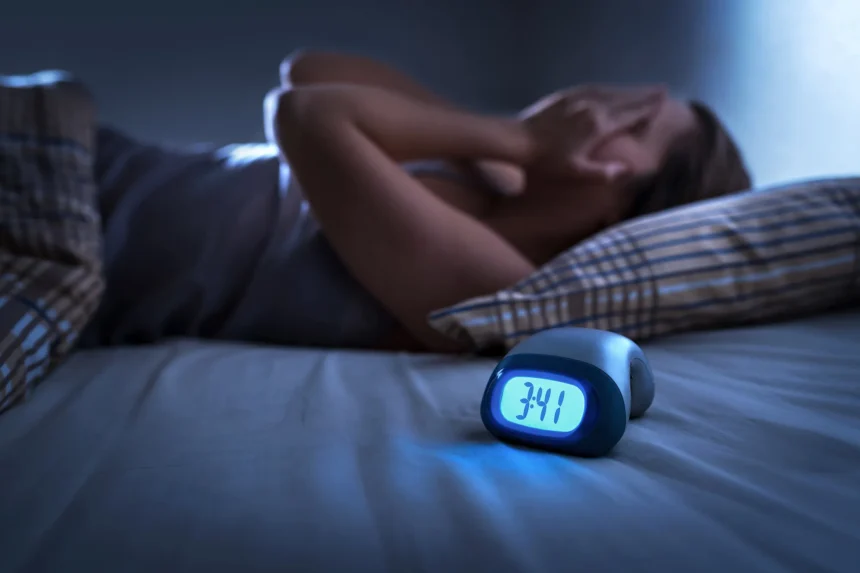
Sleep is a fundamental pillar of mental health, just as important as nutrition and physical activity. Quality sleep allows the brain to rest, recover, and regulate emotions, while poor sleep can negatively affect mood, thinking, and overall psychological well-being. Understanding the role of sleep in maintaining mental health is essential for preventing emotional disorders and supporting a balanced, healthy life.
Understanding the Relationship Between Sleep and Mental Health
Sleep and mental health are closely interconnected. Sleep affects how the brain processes emotions, manages stress, and maintains cognitive function. At the same time, mental health conditions can influence sleep patterns, creating a cycle that can be difficult to break without proper care.
How Sleep Supports Brain Function
During sleep, the brain:
- Processes emotions and memories
- Regulates mood-related chemicals
- Restores mental energy
- Clears stress-related toxins
Adequate sleep helps the mind stay stable, focused, and emotionally balanced.



Effects of Poor Sleep on Mental Health
Lack of sleep or poor-quality sleep can significantly impact psychological well-being.
Increased Stress and Irritability
Sleep deprivation can:
- Increase stress hormone levels
- Reduce patience and emotional control
- Make everyday challenges feel overwhelming
Anxiety Disorders
Poor sleep may worsen anxiety by:
- Increasing nervous system activity
- Heightening fear responses
- Reducing the ability to cope with stress
People with chronic insomnia are more likely to experience anxiety disorders.
Depression and Low Mood
Sleep problems are strongly linked to depression. Ongoing sleep disturbances can:
- Lower mood
- Reduce motivation
- Increase feelings of sadness and hopelessness
In many cases, improving sleep quality can help reduce depressive symptoms.
How Quality Sleep Improves Mental Health
Getting enough restful sleep has a positive effect on emotional and psychological balance.
Emotional Regulation
Sleep helps the brain manage emotions more effectively, making it easier to:
- Handle stress
- Respond calmly to challenges
- Maintain emotional stability
Improved Concentration and Memory
Well-rested individuals experience:
- Better focus
- Improved decision-making
- Enhanced memory retention
These cognitive benefits support confidence and mental clarity.
Sleep and Stress Management
Role of Sleep in Stress Reduction
Sleep allows the body to lower stress hormone levels and reset the nervous system. Poor sleep keeps the body in a state of alertness, increasing mental tension and emotional fatigue.
Long-Term Effects of Sleep Deprivation
Chronic lack of sleep can contribute to:
- Burnout
- Emotional exhaustion
- Increased risk of mental health disorders
Sleep Disorders and Mental Health Conditions
Common Sleep Disorders
- Insomnia
- Sleep apnea
- Restless sleep patterns
These disorders often coexist with anxiety, depression, and stress-related conditions.
Two-Way Relationship
Mental health issues can disrupt sleep, and sleep problems can worsen mental health, making early intervention essential.
Importance of Sleep for Children and Adolescents
Sleep plays a critical role in emotional development, especially in younger individuals.
Mental Health Impact on Young People
Lack of sleep in children and teens can lead to:
- Mood swings
- Irritability
- Difficulty concentrating
- Increased risk of anxiety and depression
Healthy sleep routines support emotional growth and academic performance.
Lifestyle Factors That Affect Sleep and Mental Health
Technology and Screen Time
Excessive screen use before bedtime can:
- Disrupt natural sleep cycles
- Increase mental stimulation
- Reduce sleep quality
Caffeine and Diet
High caffeine intake and poor eating habits can interfere with sleep and worsen anxiety and restlessness.
Tips for Better Sleep to Support Mental Health
Establish a Healthy Sleep Routine
- Go to bed and wake up at the same time daily
- Create a calm bedtime routine
- Ensure a comfortable sleep environment
Practice Relaxation Techniques
- Deep breathing
- Meditation
- Gentle stretching
These practices help calm the mind before sleep.
Limit Stimulants
Reducing caffeine, nicotine, and late-night screen use can improve sleep quality.
When to Seek Professional Help
Persistent sleep problems may require professional support.
Warning Signs
- Ongoing insomnia
- Daytime fatigue
- Mood changes linked to sleep loss
- Difficulty functioning in daily life
Mental health professionals can help address sleep-related issues through therapy, lifestyle changes, or medical treatment.
Conclusion
Sleep plays a vital role in maintaining mental health by supporting emotional regulation, stress management, cognitive function, and overall psychological balance. Poor sleep can increase the risk of anxiety, depression, and emotional instability, while quality sleep strengthens resilience and well-being. By prioritizing healthy sleep habits, managing lifestyle factors, and seeking professional help when needed, individuals can protect their mental health and improve their overall quality of life. Adequate sleep is not a luxury—it is a necessity for a healthy mind.