






Heart health is vital for overall well-being, yet many people ignore early symptoms of heart problems until they become serious. A cardiologist is a doctor who specializes in diagnosing and treating heart and blood vessel conditions. Recognizing the warning signs early and seeking cardiology care can help prevent severe complications such as heart attacks, heart failure, or stroke. This article explains the key warning signs that indicate you should see a cardiologist.
Why Seeing a Cardiologist on Time Is Important
Heart diseases often develop silently. Symptoms may be mild at first but can worsen quickly if left untreated. Consulting a cardiologist at the right time allows for early diagnosis, proper treatment, and effective prevention of life-threatening conditions.
Common Warning Signs You Should Not Ignore
Chest Pain or Discomfort
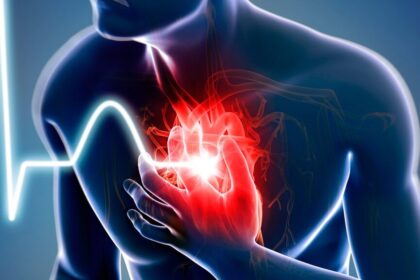
Chest pain is one of the most common and serious warning signs of heart disease. It may feel like:
- Pressure or tightness in the chest
- Burning or squeezing sensation
- Pain spreading to the arms, neck, jaw, or back
Persistent or recurring chest pain should always be evaluated by a cardiologist.

Shortness of Breath
Difficulty breathing during rest or mild physical activity can signal heart problems such as:
- Heart failure
- Blocked arteries
- Heart valve disorders
If shortness of breath occurs suddenly or worsens over time, medical attention is necessary.
Heart Rhythm and Circulation Warning Signs
Irregular Heartbeat or Palpitations
Feeling your heart race, flutter, or skip beats may indicate arrhythmias. A cardiologist can determine whether the irregular heartbeat is harmless or requires treatment.
Dizziness or Fainting
Frequent dizziness or fainting spells may be linked to:
- Abnormal heart rhythms
- Low blood pressure
- Reduced blood flow to the brain
These symptoms should not be ignored, especially if they occur repeatedly.
Physical Symptoms Linked to Heart Problems
Swelling in Legs, Ankles, or Feet
Swelling in the lower body can be a sign of poor blood circulation or heart failure. A cardiologist can identify the underlying cause and recommend appropriate treatment.
Persistent Fatigue
Unusual or extreme fatigue, especially during routine activities, may indicate that the heart is not pumping blood efficiently.
Warning Signs Related to Blood Pressure and Cholesterol
High Blood Pressure
Uncontrolled high blood pressure puts significant strain on the heart and increases the risk of heart attacks and strokes. Regular cardiology checkups help manage blood pressure effectively.
High Cholesterol Levels
Elevated cholesterol often has no symptoms but greatly increases the risk of blocked arteries. A cardiologist can guide testing and treatment to reduce cardiovascular risk.
Special Warning Signs in Women
Atypical Symptoms
Women may experience different heart-related symptoms, such as:
- Nausea or vomiting
- Jaw or back pain
- Unexplained anxiety
- Extreme tiredness
These signs are often overlooked but require immediate cardiology evaluation.
Warning Signs in People with Existing Risk Factors
Diabetes and Heart Disease
People with diabetes are at higher risk of heart problems. Regular visits to a cardiologist are essential, even if symptoms are mild.
Family History of Heart Disease
If you have close relatives with heart disease, early cardiology screening is recommended to detect potential issues early.
When to Seek Immediate Cardiology Care
Emergency Symptoms
Seek urgent medical attention if you experience:
- Severe chest pain lasting more than a few minutes
- Sudden shortness of breath
- Loss of consciousness
- Pain spreading to arms or jaw
These symptoms may indicate a heart attack or other medical emergency.
Role of Regular Heart Checkups
Routine cardiology visits help:
- Detect heart problems early
- Monitor existing conditions
- Adjust treatment plans
- Reduce the risk of serious complications
Even individuals without symptoms can benefit from preventive heart screenings.
Conclusion
Recognizing the warning signs that indicate you should see a cardiologist can save lives. Symptoms such as chest pain, shortness of breath, irregular heartbeat, swelling, fatigue, and dizziness should never be ignored. Early cardiology consultation enables timely diagnosis, effective treatment, and prevention of serious heart conditions. Taking proactive steps toward heart health through regular checkups and medical guidance is essential for a longer, healthier life.