





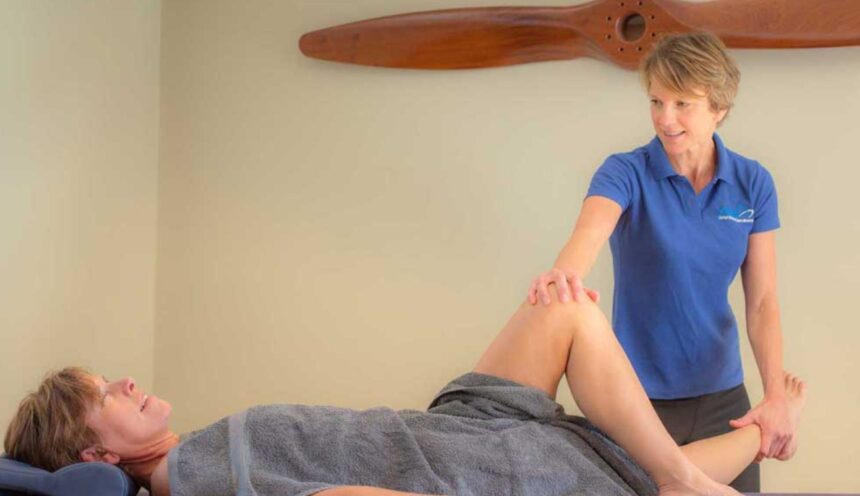
Erectile dysfunction (ED) is a common yet often misunderstood condition that affects many men, especially as they age. While medications are widely discussed, fewer people realize that physical therapy can play a powerful role in improving symptoms naturally. With growing awareness around non-invasive treatments, more individuals are exploring options like pelvic floor therapy offered by specialists such as Rebecca’s Physical Therapy. If you’re looking for evidence-based guidance, resources like Rebecca’s Physical Therapy provide valuable insights into how targeted therapy can support recovery and long-term improvement.
This article will walk you through how physical therapy can help treat erectile dysfunction, the science behind it, and practical steps you can take to improve your health.
Understanding Erectile Dysfunction
Erectile dysfunction is defined as the inability to achieve or maintain an erection sufficient for sexual activity. While occasional issues are normal, persistent ED may indicate underlying health concerns.
Common Causes of ED:
- Poor blood circulation
- Nerve damage
- Hormonal imbalances
- Stress and anxiety
- Pelvic floor muscle weakness
In many cases, ED is not caused by a single factor but rather a combination of physical and psychological issues.
The Role of Pelvic Floor Muscles
The pelvic floor muscles play a crucial role in sexual function. These muscles support the bladder and bowel and are directly involved in achieving and maintaining erections.
Why Pelvic Health Matters:
- Helps regulate blood flow to the penis
- Supports erectile rigidity
- Improves control and endurance
Weak or dysfunctional pelvic muscles can significantly contribute to erectile dysfunction.
How Physical Therapy Helps with ED
Physical therapy for ED focuses on strengthening and coordinating the pelvic floor muscles. It is a non-invasive, drug-free approach that addresses the root cause rather than just symptoms.
1. Pelvic Floor Exercises
Also known as Kegel exercises, these movements target the muscles responsible for erections.
Benefits:
- Improved blood flow
- Stronger erections
- Better control during sexual activity
Consistency is key—results typically appear after several weeks of regular practice.
2. Biofeedback Therapy
Biofeedback helps patients understand how their muscles are functioning.
How It Works:
- Sensors monitor muscle activity
- Real-time feedback improves muscle control
- Helps identify weak or inactive muscles
This method ensures exercises are done correctly for maximum benefit.
3. Manual Therapy Techniques
Physical therapists may use hands-on techniques to:
- Release muscle tension
- Improve circulation
- Reduce pain or discomfort
This is especially helpful for patients with pelvic pain or tightness.
4. Posture and Core Strength Training
Your overall body alignment affects pelvic health.
Focus Areas:
- Core stability
- Lower back support
- Proper posture
Improving these areas enhances pelvic muscle function and reduces strain.
Benefits of Physical Therapy for ED
Choosing physical therapy as a treatment option offers several advantages:
Non-Invasive Approach
No surgery or medication required.
Long-Term Results
Addresses underlying causes rather than temporary fixes.
Improved Overall Health
Enhances circulation, strength, and body awareness.
Minimal Side Effects
Safe when guided by a trained professional.
Who Can Benefit from This Treatment?
Physical therapy can help a wide range of individuals, including:
- Men experiencing mild to moderate ED
- Patients recovering from prostate surgery
- Individuals with pelvic pain
- Those with sedentary lifestyles
- Men looking for natural treatment options
It is particularly effective when ED is linked to muscle weakness or poor circulation.
Lifestyle Changes That Support Recovery
While physical therapy is highly effective, combining it with healthy habits can accelerate results.
1. Regular Exercise
Improves blood flow and cardiovascular health.
2. Healthy Diet
Supports hormone balance and overall wellness.
3. Stress Management
Reduces anxiety-related ED.
4. Adequate Sleep
Essential for hormone production and recovery.
Common Misconceptions About ED Treatment
“Medication Is the Only Solution”
While medications can help, they don’t address root causes.
“It’s Only an Age-Related Issue”
ED can affect men of all ages due to lifestyle and health factors.
“Exercise Won’t Help”
Targeted exercises, especially for the pelvic floor, can significantly improve symptoms.
When to Seek Professional Help
If erectile dysfunction persists for more than a few weeks, it’s important to consult a healthcare provider.
Signs You Should Not Ignore:
- Frequent difficulty maintaining erections
- Pain or discomfort in the pelvic region
- Reduced sexual confidence
- Symptoms affecting quality of life
Early intervention leads to better outcomes.
What to Expect from Physical Therapy Sessions
A typical session may include:
- Assessment of pelvic floor strength
- Guided exercises
- Education on proper techniques
- Progress tracking
Therapists tailor treatment plans based on individual needs and goals.
Long-Term Outlook and Results
With consistent effort, many patients experience noticeable improvements.
Expected Outcomes:
- Stronger and more sustainable erections
- Improved confidence
- Better pelvic health
- Enhanced overall well-being
Results vary depending on the severity of the condition and adherence to therapy.
Final Thoughts
Erectile dysfunction can be challenging, but it is highly treatable—especially when you address the underlying causes. Physical therapy offers a safe, effective, and natural approach that focuses on strengthening the body and restoring function.
If you’re considering a non-invasive solution, working with experienced providers like Rebecca’s Physical Therapy can make a meaningful difference. To learn more about specialized treatment options and how pelvic therapy can help, visit rebeccaspt.com and explore a path toward improved health and confidence.